
Muscle growth science is often oversimplified or flat-out misrepresented online. You’ll hear that soreness equals growth, that chasing the pump is essential, or that muscle damage is the main driver of hypertrophy. While these ideas sound convincing, they don’t fully align with what modern research shows.
In this article, we’ll break down what actually triggers muscle hypertrophy, using evidence-based explanations. You’ll learn the real roles of mechanical tension, metabolic stress, and muscle damage, which ones matter most, and which are commonly misunderstood.
This is a science-backed, myth-busting guide designed for lifters who want real progress—not gym folklore.
Quick Answer (Featured Snippet Bait)
Quick Answer:
According to muscle growth science, hypertrophy is primarily driven by mechanical tension created through progressive resistance training. Metabolic stress plays a supportive role, while muscle damage is not required and is often overstated as a growth trigger.
Table of Contents
- What Is Muscle Hypertrophy?
- Muscle Growth Science: The Big Picture
- Mechanical Tension (Primary Driver)
- Metabolic Stress (Secondary Contributor)
- Muscle Damage (The Most Misunderstood Factor)
- Common Hypertrophy Myths Debunked
- How to Apply Muscle Growth Science in Training
- FAQs
- Final Verdict
What Is Muscle Hypertrophy?
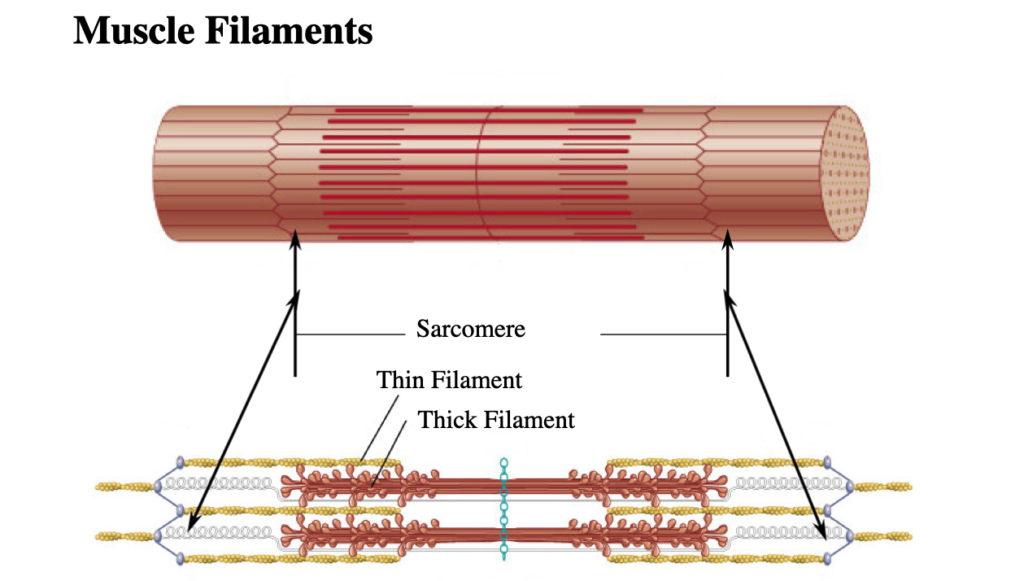
Hypertrophy refers to the increase in muscle fiber size, not the creation of new muscle fibers. When training stress exceeds what the muscle is accustomed to—and recovery resources are sufficient—the body adapts by making muscle fibers larger and stronger.
Understanding muscle growth science helps you train with intention instead of guesswork.
Muscle Growth Science: The Big Picture
Modern research identifies three commonly discussed mechanisms related to hypertrophy:
- Mechanical tension
- Metabolic stress
- Muscle damage
However, these factors do not contribute equally. Evidence increasingly shows that mechanical tension is the dominant driver, while the others play smaller or indirect roles.
This distinction is critical for optimizing training.
Mechanical Tension: The Primary Trigger for Hypertrophy
What Is Mechanical Tension?
Mechanical tension occurs when muscle fibers are placed under load and forced to contract against resistance—especially near their lengthened position.
Examples include:
- Squats
- Deadlifts
- Bench press
- Rows
- Overhead press
Why Mechanical Tension Matters Most
According to muscle growth science, mechanical tension:
- Activates mechanoreceptors in muscle fibers
- Stimulates muscle protein synthesis
- Drives long-term hypertrophy adaptations
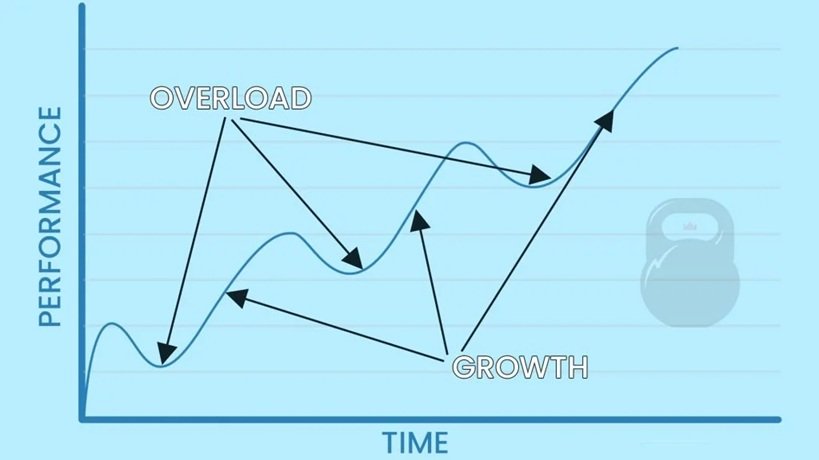
This is why progressive overload—gradually increasing weight, reps, or volume—is non-negotiable.
👉 Internal link: How to Gain Muscle Fast Naturally (Musclegurus.org)
Metabolic Stress: A Secondary but Useful Tool

What Is Metabolic Stress?
Metabolic stress refers to the buildup of metabolites such as lactate, hydrogen ions, and inorganic phosphate during training.
It’s commonly associated with:
- High-rep sets
- Short rest periods
- The “muscle pump”
Does Metabolic Stress Cause Growth?
Metabolic stress may enhance hypertrophy indirectly by:
- Increasing cell swelling
- Promoting fiber recruitment
- Supporting training volume accumulation
However, without sufficient mechanical tension, metabolic stress alone is unlikely to produce significant muscle growth.
This is why pump-focused training works best when layered on top of heavy, progressive work.
Muscle Damage: The Most Overhyped Mechanism
What Is Muscle Damage?
Muscle damage occurs when unfamiliar or high-stress training causes micro-tears in muscle fibers—often resulting in delayed onset muscle soreness (DOMS).
Does Muscle Damage Drive Hypertrophy?
Contrary to popular belief, muscle growth science does not support muscle damage as a primary growth trigger.
In fact:
- Excessive muscle damage can impair recovery
- Severe soreness can reduce training frequency
- Growth can occur without significant soreness
DOMS is not a reliable indicator of progress.
Common Muscle Growth Science Myths (Debunked)
Myth 1: Soreness Means Growth
False. You can grow muscle with minimal soreness.
Myth 2: More Volume Is Always Better
False. Volume must be recoverable and progressive.
Myth 3: Pump Training Replaces Heavy Lifting
False. Mechanical tension is still required.
Myth 4: Muscle Damage Is Necessary
False. It’s optional—and often counterproductive.
👉 Internal link: Spot Reduction Myth Belly Fat
How to Apply Muscle Growth Science in Training
To align your program with muscle growth science, prioritize the following:
1. Progressive Overload
Track:
- Weight
- Reps
- Sets
2. Moderate-to-High Training Volume
- 10–20 sets per muscle group per week (general guideline)
3. Adequate Recovery
- 7–9 hours of sleep
- Rest days as needed
4. Proper Nutrition
- Calorie surplus (for growth)
- Sufficient protein intake
👉 Internal link: Underdosed Testosterone Booster Signs
👉 Internal link: How to Interpret Supplement Lab Test Results
External Evidence & Resources
- 👉 DoFollow: Muscle hypertrophy research summaries at Examine.com
- 👉 DoFollow: Evidence-based muscle growth overview from Healthline
Both sources reinforce that mechanical tension is the cornerstone of hypertrophy.
FAQs: Muscle Growth Science
What triggers muscle growth the most?
Mechanical tension combined with progressive overload.
Is muscle soreness required for hypertrophy?
No. Growth can occur without soreness.
Are high reps bad for muscle growth?
No, but they work best when combined with heavier loading.
Can beginners grow muscle faster?
Yes. Beginners respond more rapidly due to higher sensitivity.
Final Verdict: What Actually Triggers Hypertrophy
When it comes to muscle growth science, the evidence is clear:
- Mechanical tension is king
- Metabolic stress is supportive
- Muscle damage is optional—and often overstated
If your training prioritizes progressive overload, adequate volume, proper recovery, and nutrition, hypertrophy will follow—without chasing soreness or gimmicks.
Train smarter, not harder.
Medical Disclaimer
This content is for educational purposes only and does not constitute medical advice. Always consult a qualified healthcare or fitness professional before starting or modifying a training program.