Introduction: Interpret Supplement Lab Test Results the Right Way
Interpret supplement lab test results is a skill most supplement buyers think they understand—but very few actually do. Brands love to claim “third-party tested,” yet most consumers don’t know what those reports really mean or how to spot red flags.
This step-by-step guide teaches you exactly how to read, analyze, and verify supplement lab reports, so you can tell the difference between clean, effective products and marketing smoke screens.
By the end, you’ll know what numbers matter, what results are misleading, and how to protect your health and money.
Quick Answer (Featured Snippet Bait)
Quick Answer:
To interpret supplement lab test results, check the lab’s credibility, match ingredient dosages to the label, verify contaminant testing, confirm batch specificity, and watch for missing or manipulated data. Legit reports are transparent, detailed, and product-specific.
Table of Contents
- What Are Supplement Lab Test Results?
- Step 1: Verify the Testing Laboratory
- Step 2: Understand the Certificate of Analysis (COA)
- Step 3: Match Label Claims to Lab Data
- Step 4: Check for Contaminants & Purity
- Step 5: Dosage Accuracy & Variance
- Step 6: Spot Common Red Flags
- Step 7: When Lab Results Are NOT Enough
- FAQs
- Final Takeaway
What Are Supplement Lab Test Results?
Supplement lab test results usually come in the form of a Certificate of Analysis (COA). This document verifies:
- Ingredient identity
- Purity and potency
- Presence (or absence) of contaminants
Not all COAs are equal. Knowing how to interpret supplement lab test results prevents you from trusting incomplete or misleading reports.
Step 1: Verify the Testing Laboratory
The first thing you should check is who performed the test.
Legit Labs Will:
- Be ISO/IEC 17025 accredited
- List full lab name, address, and contact info
- Specialize in analytical chemistry or supplement testing
If a brand hides the lab name or uses an unknown in-house facility, that’s a red flag.
Step 2: Understand the Certificate of Analysis (COA)
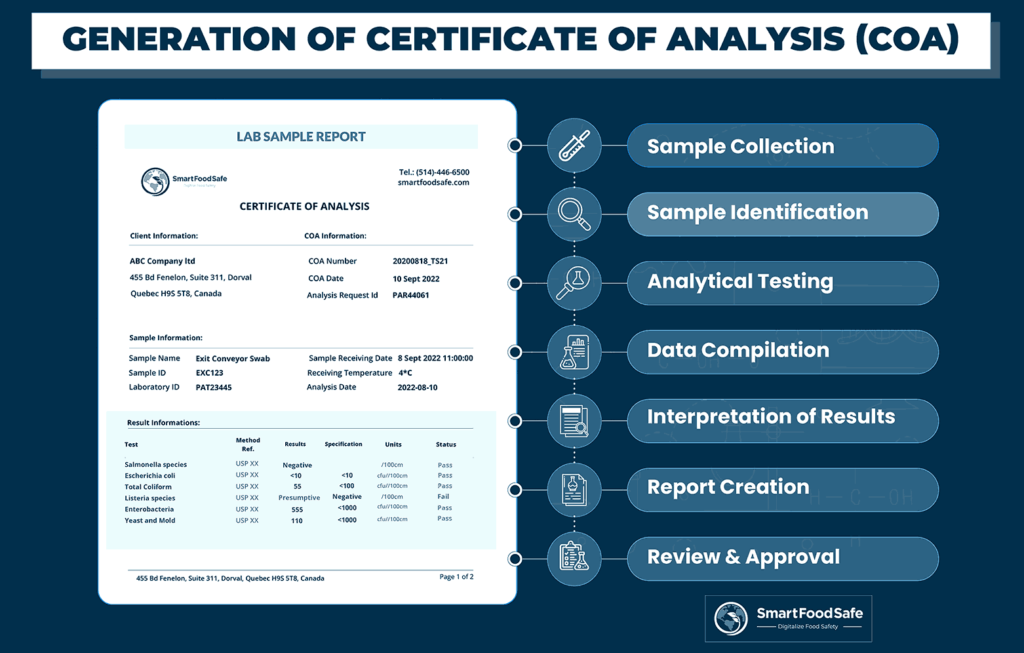
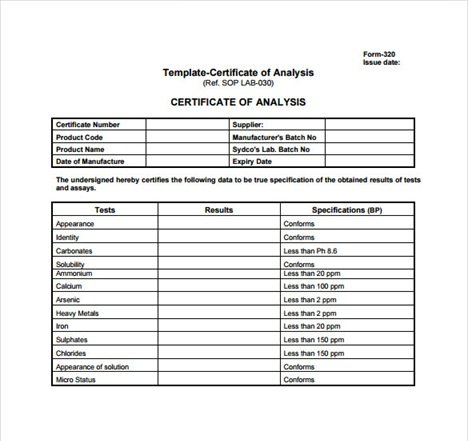
A proper COA includes:
- Product name and batch/lot number
- Test methods used
- Results with units (mg, %, ppm)
- Date of testing
- Authorized lab signature
If any of these are missing, the report is incomplete.
Step 3: Match Label Claims to Lab Data
This is where many supplements fail.
What to Compare:
- Label dosage vs tested dosage
- Serving size accuracy
- Ingredient form (e.g., extract vs raw compound)
Example:
If the label claims 500 mg per serving, but the COA shows 430 mg, that’s underdosed.
Minor variance (±5%) is acceptable. Larger gaps are not.
Step 4: Check for Contaminants & Purity
This step protects your health.
A trustworthy lab report should test for:
- Heavy metals (lead, mercury, cadmium, arsenic)
- Microbial contamination (E. coli, Salmonella)
- Solvents and adulterants
According to independent testing guidelines summarized by Healthline, contaminant screening is one of the most important quality indicators for supplements.
If a COA only shows “potency” but no contaminants, be cautious.
Step 5: Dosage Accuracy & Acceptable Variance
No supplement is perfectly precise—but limits exist.
Industry Standard:
- ±5% to ±10% variance = acceptable
- 10% variance = poor quality
When you interpret supplement lab test results, always look for:
- Exact measured values
- Not just “PASS” or “COMPLIANT”
Numbers matter more than labels.
Step 6: Spot Common Red Flags (Very Important)
🚩 Watch out for:
- Generic COAs not tied to a batch
- Old lab reports reused for years
- Blurry screenshots instead of PDFs
- Missing testing dates
- Only one ingredient tested
A legitimate brand updates lab results per batch, not per marketing campaign.
Step 7: When Lab Results Are NOT Enough
Lab testing confirms what’s inside the product, not:
- Bioavailability
- Effectiveness
- Real-world results
This is why lab results should be combined with:
- Clinical research
- Transparent sourcing
- User experience
For deeper ingredient validation, evidence-based databases like Examine.com help cross-check claims against real science.
FAQs: Interpret Supplement Lab Test Results
Do all supplements need lab tests?
Yes—especially powders, capsules, and performance supplements.
Is “third-party tested” always legit?
No. The report must be visible and verifiable.
Can brands fake lab results?
Yes. That’s why batch numbers and lab accreditation matter.
Are pass/fail results enough?
No. Always review the actual numerical data.
Internal & External Resources
- 👉 External: Read our guide on how to spot fake supplement claims
- 👉 External : Evidence-based ingredient analysis at Examine.com
- 👉 External : Consumer supplement safety overview from Healthline
Final Takeaway: Read Between the Numbers
To interpret supplement lab test results correctly, you must go beyond marketing buzzwords. Real transparency means clear labs, accurate dosages, contaminant testing, and batch-specific data.
If a brand hesitates to show lab results—or shows vague ones—walk away.
visit Musclegurus.org for further details
Medical Disclaimer
This content is for educational purposes only and does not constitute medical advice. Supplements are not intended to diagnose, treat, cure, or prevent disease. Always consult a qualified healthcare professional before using any supplement.