
When it comes to genetics and muscle gain, one of the most common questions people ask is: “Am I genetically capable of building muscle?”
The truth is — genetics play a role, but they don’t define your limits as much as you think.
In this guide, we’ll break down the science behind muscle growth, what your genetics actually control, and most importantly — what YOU can control to maximize your gains.
Understanding genetics and muscle gain is crucial if you want to stop guessing and start making real progress. Many people blame their genetics too early, but the truth is that genetics and muscle gain work together with your training, nutrition, and recovery habits. When you truly understand how genetics and muscle gain interact, you can train smarter and unlock your full potential.
Table of Contents
- What Is Muscle Growth Science?
- How Genetics Affect Muscle Gain
- What You Can’t Control
- What You CAN Control
- How to Maximize Your Genetic Potential
- Final Thoughts
What Is Muscle Growth Science?
Before diving into genetics and muscle gain, it’s important to understand how muscle actually grows.
Muscle growth (hypertrophy) happens when:
- You create mechanical tension (lifting weights)
- You cause metabolic stress (muscle burn)
- You allow recovery and repair
During this process, muscle fibers repair and grow thicker, leading to increased size and strength.
How Genetics Affect Muscle Gain
Genetics influence several key factors that determine how easily and quickly you build muscle.
1. Muscle Fiber Type
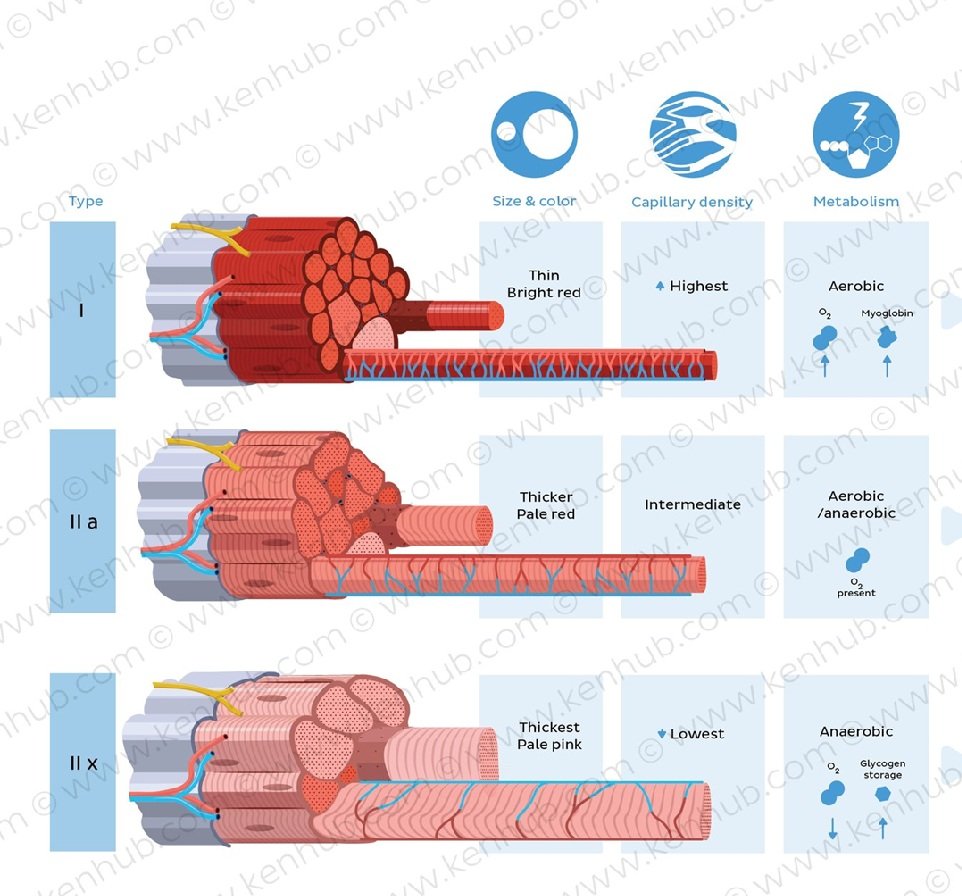
You’re born with a mix of:
- Fast-twitch fibers → grow bigger and stronger
- Slow-twitch fibers → more endurance-focused
People with more fast-twitch fibers tend to gain muscle faster.
2. Hormonal Profile
Your natural levels of hormones like testosterone impact muscle growth. Some people naturally produce more, giving them an advantage.
3. Muscle Insertions & Shape
Genetics determine:
- Muscle length
- Tendon attachment points
- Overall muscle shape
This affects how your physique looks — not just how big it gets.
4. Recovery Ability
Some people recover faster due to better genetics, allowing them to train more frequently and effectively.
What You Can’t Control
Let’s be real — there are limits to what genetics allow.
❌ Your muscle belly length
❌ Your bone structure
❌ Your natural hormone baseline
❌ Your muscle fiber distribution
These factors explain why two people training the same way can look completely different.
But here’s the important part…
👉 These limitations do NOT stop you from building an impressive physique.
What You CAN Control
This is where most people either succeed or fail.
✅ Training Intensity
Progressive overload is king:
- Lift heavier over time
- Increase reps or sets
- Focus on form
✅ Nutrition
Muscle growth requires:
- Calorie surplus
- High protein intake (1.6–2.2g/kg)
✅ Sleep & Recovery
Muscle is built outside the gym, not inside it.
Aim for:
- 7–9 hours of sleep
- Proper rest days
✅ Consistency
Even average genetics with consistency will beat great genetics with inconsistency — every time.
How to Maximize Your Genetic Potential

No matter your genetics, you can still reach your personal best.
1. Train Smart, Not Just Hard
Follow a structured plan like:
- Push/Pull/Legs
- Upper/Lower split
2. Track Your Progress
Log:
- Weights lifted
- Body measurements
- Progress photos
3. Optimize Nutrition
Focus on:
- Protein-rich foods
- Whole carbs
- Healthy fats
4. Prioritize Recovery
Recovery is where growth happens. Overtraining kills gains.
5. Stay Consistent for Years
Muscle building is a long-term game. Most people quit too early — not because of bad genetics, but lack of patience.
Check out our complete guide on Muscle Growth Science Explained to understand hypertrophy in detail.
Final Thoughts
Genetics and muscle gain are connected — but not in the way most people think.
Yes, genetics influence:
- How fast you grow
- How your muscles look
But they don’t decide whether you can build muscle.
👉 The real difference comes down to:
- Effort
- Consistency
- Smart training
At the end of the day, your job isn’t to compare your genetics — it’s to maximize them.In the end, genetics and muscle gain are only part of the equation. While you can’t change your genetics, you can absolutely control how you respond to training. Mastering the balance between genetics and muscle gain will help you build the best physique your body is capable of.
– Learn more about muscle hypertrophy from National Institutes of Health
FAQs
1. Can bad genetics stop muscle growth?
No. They may slow progress, but consistent training and nutrition will still build muscle.
2. How do I know if I have good genetics?
Signs include:
- Fast strength gains
- Visible muscle early
- Good recovery
But even without these, progress is still possible.
3. Can I change my muscle fiber type?
No, but you can train both types to improve overall performance and size.
4. Is testosterone the most important factor?
It helps, but training, nutrition, and sleep are far more important for most people.