Carbs vs Fats for Muscle Gain: What the Science Actually Says
When it comes to building muscle, one of the most debated topics is carbs vs fats for muscle gain. Should you prioritize carbohydrates for energy, or fats for hormones?
The truth is more nuanced. According to modern muscle growth science, both macronutrients play important roles—but in different ways.
Let’s break it down in a simple, practical, and science-backed way.
📌 Table of Contents
- What Actually Builds Muscle
- Role of Carbs in Muscle Gain
- Role of Fats in Muscle Gain
- Carbs vs Fats for Muscle Gain Comparison
- What Science Really Says
- Best Ratio for Muscle Growth
- Practical Diet Tips
- FAQs
What Actually Builds Muscle (Muscle Growth Science)
Before diving into carbs vs fats for muscle gain, it’s important to understand what truly drives muscle growth:
- Progressive overload (lifting heavier over time)
- Mechanical tension on muscles
- Adequate protein intake
- Calorie surplus
- Proper recovery
👉 Carbs and fats don’t directly build muscle like protein—but they support the process.
Muscle Growth Science Explained: What Actually Triggers Hypertrophy
🥔 Role of Carbs in Muscle Gain
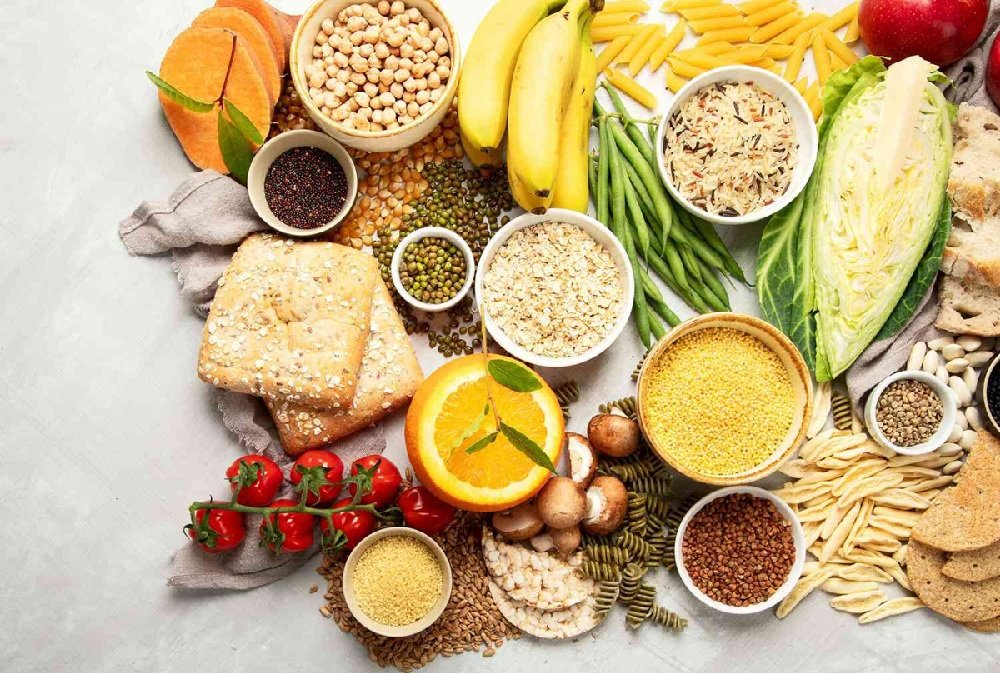
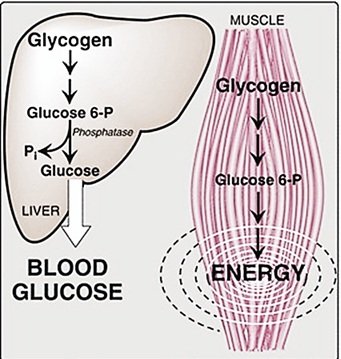
Carbohydrates are your body’s primary energy source, especially during resistance training.
Why Carbs Matter
- Fuel your workouts
Carbs are stored as glycogen in muscles, which powers heavy lifting. - Improve performance
Higher carb intake often leads to more reps, better strength, and higher training volume. - Support recovery
Carbs replenish glycogen after workouts, speeding up recovery. - Enhance nutrient delivery
Carbs increase insulin, which helps transport nutrients into muscle cells.
👉 In the debate of carbs vs fats for muscle gain, carbs have a direct impact on training performance—which is a key driver of hypertrophy.
🥑 Role of Fats in Muscle Gain
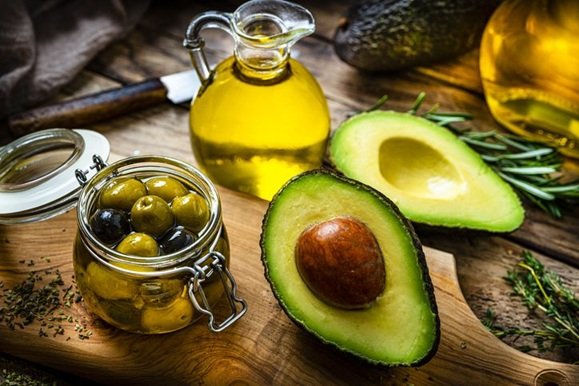
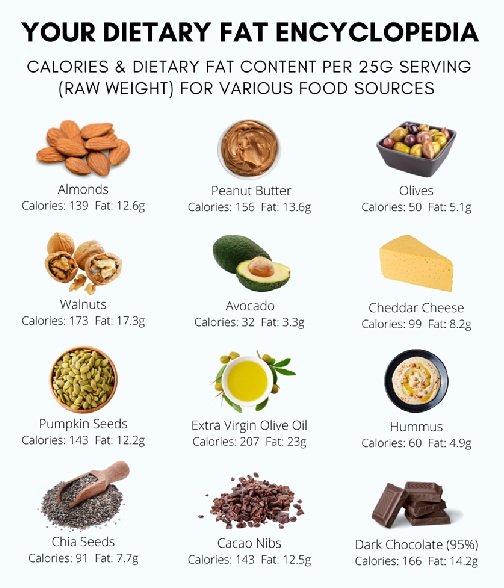
Fats are essential for overall health and hormonal balance.
Why Fats Matter
- Hormone production
Dietary fats support testosterone, which plays a role in muscle growth. - Calorie density
Fats provide 9 calories per gram, helping you stay in a calorie surplus. - Joint and cell health
Essential fatty acids aid recovery and reduce inflammation.
👉 However, fats don’t directly improve workout performance like carbs do.
⚖️ Carbs vs Fats for Muscle Gain: Key Differences
| Factor | Carbs | Fats |
|---|---|---|
| Main Role | Energy | Hormones |
| Workout Performance | High | Low |
| Recovery | Fast glycogen refill | Indirect |
| Calories per gram | 4 kcal | 9 kcal |
👉 Conclusion: In carbs vs fats for muscle gain, carbs are more important for performance, while fats support long-term health.
🔬 What Science Really Says
According to research from organizations like the International Society of Sports Nutrition:
- Total calorie intake is the most important factor for muscle gain
- Protein intake is the primary driver of hypertrophy
- Carbs improve training performance and volume
- Fats are essential but should not be too low
There is no universal “perfect ratio”, but balanced diets tend to perform best.
🧠 Best Carb-to-Fat Ratio for Muscle Growth
Based on muscle growth science, a practical approach is:
- Protein: 1.6–2.2 g/kg bodyweight
- Carbs: 40–60% of total calories
- Fats: 20–30% of total calories
Example:
- 50% carbs
- 25% protein
- 25% fats
👉 This balance supports both performance and hormone health.
🍽️ Practical Diet Tips for Muscle Gain
1. Eat More Carbs Around Workouts
- Pre-workout: oats, bananas
- Post-workout: rice, potatoes
2. Include Healthy Fats Daily
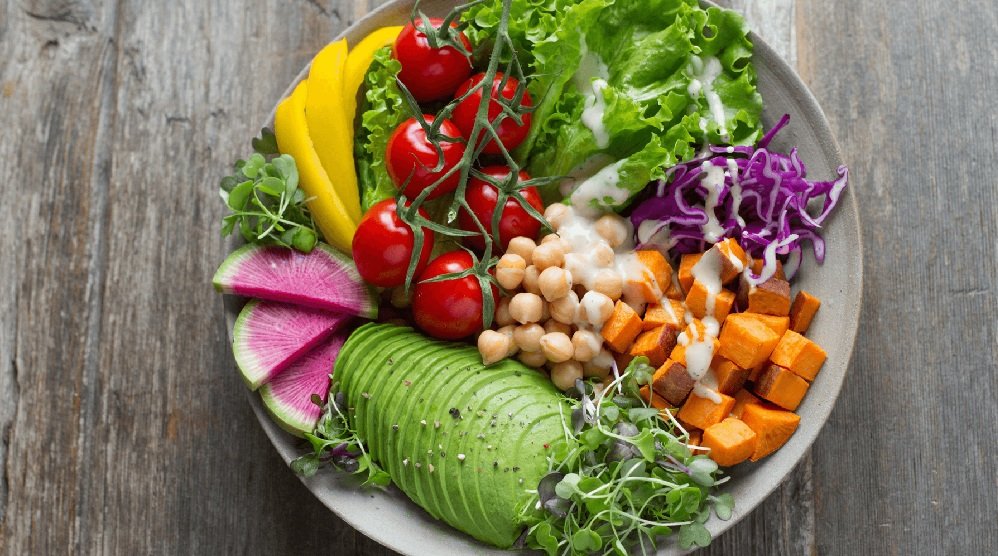
- Nuts
- Olive oil
- Fatty fish
3. Focus on Calorie Surplus
You won’t gain muscle without eating enough—regardless of carbs vs fats.
4. Adjust Based on Your Body
- Low energy → increase carbs
- Poor recovery or low hormones → increase fats
Guidlines by-American College Of Sports Medicine
FAQs
1. What is better for muscle gain: carbs or fats?
When comparing carbs vs fats for muscle gain, carbohydrates are generally more beneficial for improving workout performance and training volume. Carbs fuel your muscles through glycogen, allowing you to lift heavier and train harder, which directly supports hypertrophy.
Fats, on the other hand, play a crucial role in hormone production, including testosterone, which indirectly supports muscle growth. The best approach is not choosing one over the other, but maintaining a balanced intake where carbs fuel performance and fats support overall health.
2. How many carbs should I eat daily for muscle gain?
The ideal carbohydrate intake for muscle gain depends on your body weight, activity level, and total calorie intake. Most research in muscle growth science suggests consuming around 3–6 grams of carbs per kilogram of body weight per day.
For example, if you weigh 70 kg, you may need between 210–420 grams of carbs daily. Higher-carb intake is especially beneficial for people doing intense resistance training, as it improves performance, recovery, and muscle glycogen replenishment.
3. Can you build muscle on a low-carb or keto diet?
Yes, you can build muscle on a low-carb or ketogenic diet, but it may not be optimal for most people. Low-carb diets often reduce glycogen stores, which can lead to decreased strength, endurance, and training volume.
Since training intensity is a key driver of hypertrophy, lower performance can slow muscle growth over time. However, some individuals adapt well to low-carb diets and can still gain muscle if they maintain a calorie surplus and adequate protein intake.
4. Do fats increase testosterone and muscle growth?
Dietary fats play an important role in hormone production, including testosterone, which is linked to muscle growth. Diets that are too low in fat (below 15–20% of total calories) may reduce testosterone levels.
However, increasing fat intake beyond moderate levels does not necessarily lead to higher muscle growth. The key is to maintain a balanced intake of healthy fats such as omega-3 and monounsaturated fats while ensuring overall calorie and protein needs are met.
5. What is the best carb-to-fat ratio for muscle gain?
There is no universal perfect ratio, but most evidence-based recommendations suggest:
- Carbs: 40–60% of total calories
- Fats: 20–30% of total calories
- Protein: 1.6–2.2 g/kg body weight
This ratio supports both training performance and hormonal balance. The ideal ratio may vary depending on individual preferences, metabolism, and training style.
6. Should I eat more carbs or fats when bulking?
During a bulking phase, most people benefit from increasing carbohydrate intake rather than fats. Carbs help you train harder, recover faster, and build muscle more efficiently.
Fats should still be included but kept moderate to maintain hormonal health. A high-carb, moderate-fat diet is generally considered the most effective approach for lean muscle gain.
7. Are carbs necessary after a workout for muscle growth?
Post-workout carbohydrates are important because they help replenish glycogen stores and support recovery. When combined with protein, carbs can also enhance muscle protein synthesis by improving nutrient delivery to muscle cells.
While protein is the most important nutrient post-workout, adding carbs can speed up recovery and prepare your body for the next training session.
8. Do high-fat diets reduce muscle-building potential?
High-fat diets are not inherently bad, but they may limit muscle-building potential if they reduce carbohydrate intake too much. Since carbs are essential for high-intensity training, a very high-fat, low-carb diet may reduce workout performance and training volume.
This can indirectly affect muscle growth over time. Balance is key—ensure you’re getting enough carbs to support your workouts.
9. Is calorie intake more important than carbs vs fats for muscle gain?
Yes, total calorie intake is more important than the carbs vs fats for muscle gain debate. Without a calorie surplus, your body will not have enough energy to build new muscle tissue.
Macronutrient distribution matters, but calories and protein intake are the primary drivers of muscle growth.
10. Can I adjust carbs and fats based on my body type?
Yes, adjusting your carb and fat intake based on your body type and lifestyle can be beneficial.
- If you feel low on energy or train intensely → increase carbs
- If you struggle with hunger or hormonal issues → slightly increase fats
The best diet is one that supports your performance, recovery, and consistency over time.