Table of Contents
- What Is the Link Between Sleep and Muscle Growth?
- How Poor Sleep Kills Gains
- Hormones: The Hidden Sleep-Muscle Connection
- Sleep Deprivation and Workout Performance
- How Much Sleep Do You Really Need?
- Tips to Improve Sleep for Muscle Growth
- Conclusion
What Is the Link Between Sleep and Muscle Growth?
Sleep and muscle growth are more connected than most people realize. While training and nutrition get all the attention, your muscles actually grow when you’re resting—not when you’re lifting weights.
During deep sleep, your body repairs muscle fibers damaged during workouts. This is also when key anabolic hormones are released, helping your muscles grow bigger and stronger.
If you’re training hard but not sleeping enough, you’re essentially limiting your gains without even knowing it.
How Poor Sleep Kills Gains

Poor sleep doesn’t just make you feel tired—it directly affects your muscle-building ability.
Here’s how:
- Reduced muscle recovery: Your body doesn’t repair muscle tissue efficiently
- Lower protein synthesis: Muscle-building processes slow down
- Increased muscle breakdown: Your body enters a catabolic state
- Higher fatigue levels: You can’t train with intensity
Even a few nights of bad sleep can negatively impact your performance and recovery.
Hormones: The Hidden Sleep-Muscle Connection
One of the biggest reasons why sleep and muscle growth are linked is hormones.
Key Hormones Affected by Sleep
- Testosterone: Essential for muscle growth; drops with poor sleep
- Growth Hormone (GH): Released during deep sleep; drives recovery
- Cortisol: Stress hormone that increases with sleep deprivation
When you don’t sleep enough:
- Testosterone levels can drop by up to 10–15%
- Growth hormone release is reduced
- Cortisol levels increase, promoting fat gain and muscle loss
This creates the perfect storm for losing muscle and gaining fat.
Sleep Deprivation and Workout Performance
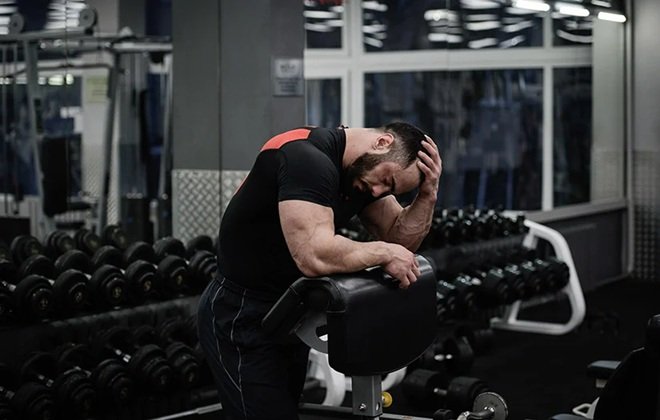
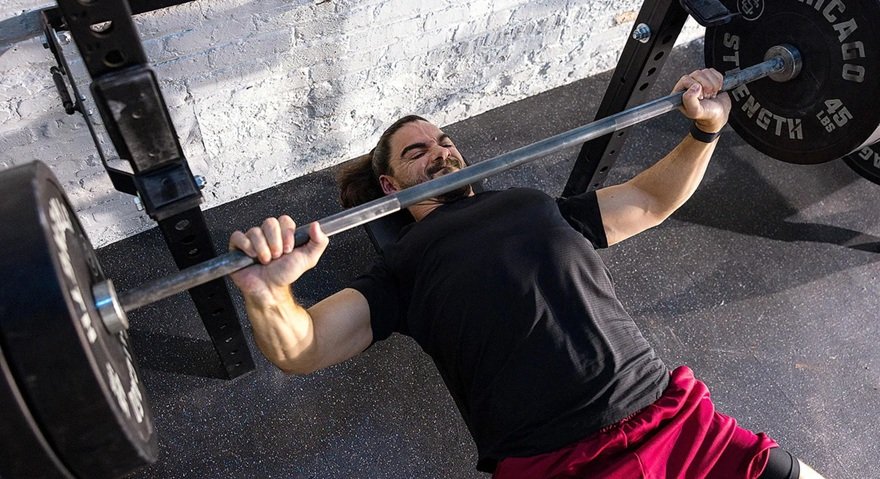
Lack of sleep doesn’t just affect recovery—it destroys your performance in the gym.
You may experience:
- Lower strength and endurance
- Reduced focus and mind-muscle connection
- Slower reaction time
- Poor motivation
This means fewer reps, less weight lifted, and ultimately less muscle growth over time.
How Much Sleep Do You Really Need?
For optimal sleep and muscle growth, most people need:
- 7–9 hours of quality sleep per night
Athletes and those training intensely may even benefit from:
- 8–10 hours, especially during heavy training phases
Consistency matters more than occasional long sleep. Sleeping 5 hours on weekdays and 10 hours on weekends won’t fully fix the damage.
Tips to Improve Sleep for Muscle Growth
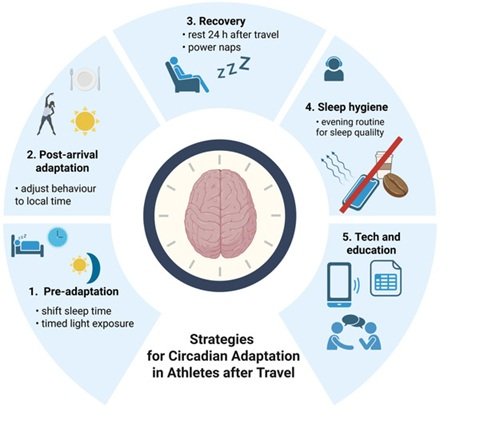
If you want to maximize sleep and muscle growth, focus on improving sleep quality—not just duration.
1. Stick to a Sleep Schedule
Go to bed and wake up at the same time every day.
2. Reduce Screen Time Before Bed
Avoid phones and laptops at least 30–60 minutes before sleeping.
3. Optimize Your Sleep Environment
- Keep your room cool and dark
- Use blackout curtains if needed
4. Avoid Late Caffeine
Cut off caffeine at least 6–8 hours before bedtime.
5. Eat Smart at Night
A light protein-rich meal before bed can support overnight recovery.
6. Manage Stress
High stress = high cortisol = poor sleep and poor gains.
Some Suggestions
- Read more about Muscle Growth Science Explained
- Check our guide on Protein for Muscle Growth: How Much You Really Need
About Sleep and Recovery
- Learn more about sleep and recovery from the National Sleep Foundation
- Research on sleep and hormones by the National Institutes of Health
Conclusion
Sleep and muscle growth go hand in hand. You can have the perfect workout plan and diet, but without proper sleep, your results will suffer.
Think of sleep as your natural anabolic tool—it boosts hormones, enhances recovery, and improves performance.
If you’re serious about building muscle, stop treating sleep as optional. It might just be the missing piece holding your gains back.
FAQs
1. Can I build muscle with 5–6 hours of sleep?
You might see some progress initially, but over time, lack of sleep will reduce recovery, hormone levels, and performance—limiting muscle growth.
2. Does sleeping more increase muscle growth?
Yes, adequate sleep improves recovery, hormone release, and protein synthesis—all essential for muscle growth.
3. Is napping helpful for muscle recovery?
Short naps (20–30 minutes) can improve recovery and energy, especially if nighttime sleep is lacking.
4. What is the best time to sleep for muscle growth?
Sleeping between 10 PM – 6 AM aligns well with your natural circadian rhythm and supports optimal hormone release.
5. Does poor sleep cause muscle loss?
Yes. Chronic sleep deprivation increases cortisol and reduces testosterone, leading to muscle breakdown over time.