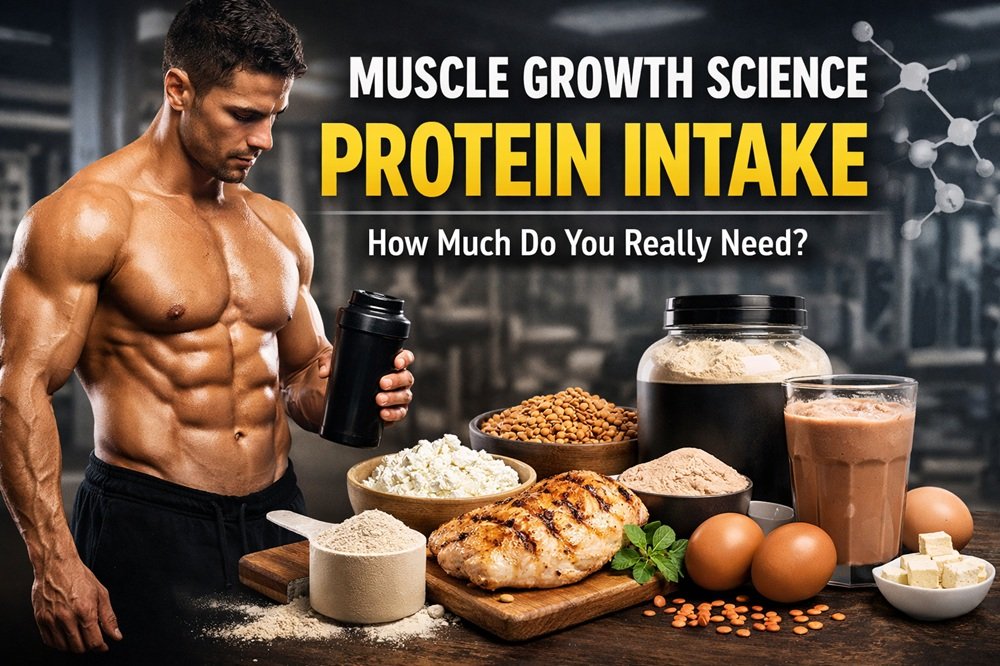
Muscle Growth Science Protein Intake: How Much You Really Need
When it comes to building muscle, protein advice is everywhere—but most of it is outdated or exaggerated. The real answer lies in muscle growth science protein intake, not gym myths.
In this guide, you’ll learn exactly how much protein your body needs, when to take it, and what actually drives hypertrophy.
📌 Table of Contents
- What Is Muscle Growth Science Protein Intake?
- Why Protein Matters for Muscle Growth
- The Ideal Protein Intake (Science-Based)
- Protein Timing: Does It Matter?
- Best Protein Sources for Muscle Growth
- Common Protein Myths (Debunked)
- Practical Daily Protein Plan
- Final Takeaways
What Is Muscle Growth Science Protein Intake?
Muscle growth science protein intake refers to the scientifically proven amount of protein required to maximize muscle hypertrophy—not guesswork or gym folklore.
Muscle growth happens through:
- Muscle protein synthesis (MPS)
- Recovery and repair
- Adaptation to training stress
Protein provides the amino acids needed for all three.
Why Protein Matters for Muscle Growth
Without adequate protein, your body cannot effectively repair muscle fibers after training.
Key roles:
- Stimulates muscle protein synthesis
- Reduces muscle breakdown
- Supports recovery and performance
👉 Research shows that resistance training + sufficient protein = optimal hypertrophy.
The Ideal Protein Intake
Forget the “eat as much as possible” advice.
✅ Evidence-based range:
- 1.6 to 2.2 grams per kg of body weight
Example:
- 70 kg person → 112g to 154g protein/day
This range is widely supported in muscle growth science protein intake research.
⚠️ Important:
More protein ≠ more muscle beyond this range.
Protein Timing: Does It Matter?
Timing is less important than total daily intake—but it still helps.
Best approach:
- Spread protein across 3–5 meals
- Include 20–40g protein per meal
Post-workout:
- Helps recovery, but not “mandatory anabolic window”
👉 Consistency beats timing.
Best Protein Sources for Muscle Growth

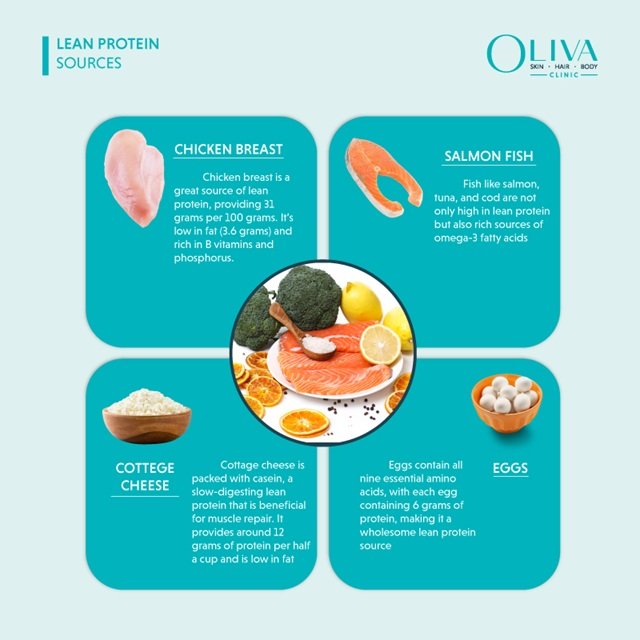
Top choices:
Animal-based (complete proteins):
- Chicken breast
- Eggs
- Fish
- Whey protein
Vegetarian options:
- Paneer
- Lentils (dal)
- Soy products
- Greek yogurt
Pro tip:
Combine plant proteins for a complete amino acid profile.
FAQs: Muscle Growth Science Protein Intake
1. How much protein do I need for muscle growth according to science?
According to muscle growth science protein intake guidelines, you need about 1.6 to 2.2 grams of protein per kilogram of body weight per day to maximize muscle growth.
2. Is eating more protein better for building muscle?
No. Research in muscle growth science protein intake shows that consuming more than 2.2 g/kg does not provide additional muscle-building benefits.
3. What is the best time to consume protein for muscle growth?
While total intake matters most, muscle growth science protein intake research suggests spreading protein across 3–5 meals daily improves muscle protein synthesis.
4. Do I need protein shakes to build muscle?
No. According to muscle growth science protein intake principles, whole foods like eggs, chicken, and lentils can meet your protein needs just as effectively as supplements.
5. How much protein should I eat after a workout?
Studies in muscle growth science protein intake recommend consuming 20–40g of protein post-workout to support recovery and muscle repair.
6. Can too much protein harm your kidneys?
For healthy individuals, muscle growth science protein intake research shows high protein diets are generally safe and do not damage kidney function.
7. Is plant-based protein enough for muscle growth?
Yes. With proper planning, muscle growth science protein intake can be achieved through plant sources like lentils, soy, and paneer, especially when combined for a complete amino acid profile.
8. How do I calculate my daily protein requirement?
Multiply your body weight (in kg) by 1.6–2.2 to estimate your intake based on muscle growth science protein intake recommendations.
9. Is protein more important than workouts for muscle growth?
No. Muscle growth science protein intake supports recovery, but training stimulus (progressive overload) is the primary driver of muscle growth.
10. Can beginners build muscle with lower protein intake?
Beginners may still gain muscle with slightly lower intake, but optimal results come from following muscle growth science protein intake guidelines.
Common Protein Myths (Debunked)
❌ Myth 1: You need 3g/kg protein
👉 Truth: No added benefit beyond ~2.2g/kg
❌ Myth 2: More protein = faster gains
👉 Truth: Training + recovery matter more
❌ Myth 3: Protein damages kidneys
👉 Truth: Safe for healthy individuals
❌ Myth 4: You must drink protein shakes
👉 Truth: Whole food works just as well
Practical Daily Protein Plan
Example (70 kg individual):
| Meal | Protein |
|---|---|
| Breakfast | 25g (eggs + milk) |
| Lunch | 35g (chicken + rice) |
| Snack | 20g (protein shake or paneer) |
| Dinner | 35g (dal + roti + curd) |
✔ Total: ~115g protein
This aligns perfectly with muscle growth science protein intake guidelines.
Final Takeaways
- Muscle growth science protein intake = 1.6–2.2 g/kg
- Total daily intake matters more than timing
- Whole foods + supplements both work
- More protein is not always better
- Training quality still drives results
Bottom Line
Stop guessing. Follow muscle growth science protein intake principles, and you’ll build muscle efficiently—without wasting money or effort on bro-science.