
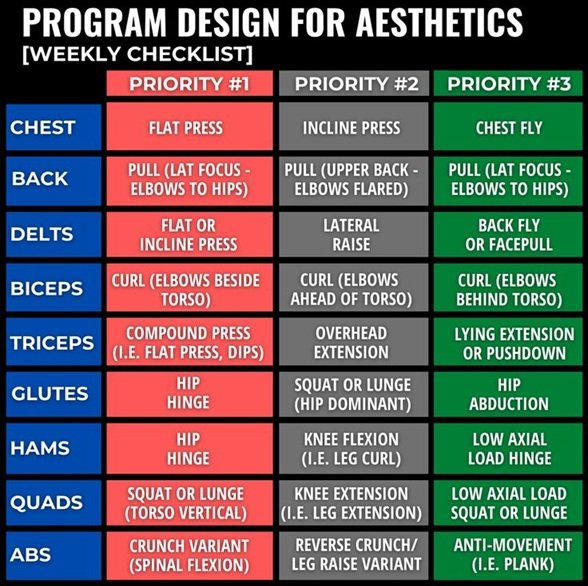
Muscle gain workout plan searches are everywhere—but most programs either lack structure, ignore progression, or skip deload strategy completely.
If you want real hypertrophy, you need:
- Structured sets and reps
- Weekly progression
- Volume control
- Planned deload
This 4-week science-based split is designed for natural lifters who want maximum growth without burnout.
Quick Answer
Quick Answer:
A proper muscle gain workout plan should include 10–20 sets per muscle per week, 6–12 rep ranges, progressive overload, and a scheduled deload every 4–6 weeks to maximize hypertrophy and recovery.
Table of Contents
- How This Muscle Gain Workout Plan Works
- Weekly Split Overview
- Sets & Reps for Maximum Growth
- 4-Week Progression Model
- Deload Strategy (Week 4)
- Nutrition & Recovery Guidelines
- Common Mistakes to Avoid
- FAQs
- Final Verdict
How This Muscle Gain Workout Plan Works
This muscle gain workout plan follows a 4-day Upper/Lower split repeated over 4 weeks.
Why this works:
- Hits each muscle 2× weekly
- Keeps volume within hypertrophy range
- Allows recovery between sessions
According to hypertrophy research summarized by Examine.com training frequency of twice per week is optimal for muscle growth.
Weekly Split Overview
Day 1 – Upper Body (Strength Focus)
- Bench Press – 4×6
- Barbell Rows – 4×6
- Overhead Press – 3×8
- Pull-Ups – 3×8
- Triceps + Biceps – 3×10–12
Day 2 – Lower Body (Strength Focus)
- Squats – 4×6
- Romanian Deadlifts – 3×8
- Leg Press – 3×10
- Hamstring Curl – 3×10–12
- Calf Raises – 4×12–15
Day 3 – Rest / Active Recovery
Day 4 – Upper Body (Hypertrophy Focus)
- Incline Dumbbell Press – 3×8–10
- Lat Pulldown – 3×10–12
- Lateral Raises – 3×12–15
- Chest Fly – 3×12–15
- Arm Superset – 3×12–15
Day 5 – Lower Body (Hypertrophy Focus)
- Front Squats – 3×8–10
- Hip Thrusts – 3×10–12
- Walking Lunges – 3×12
- Leg Curl – 3×12–15
- Calves – 4×15–20
Sets & Reps for This Muscle Gain Workout Plan
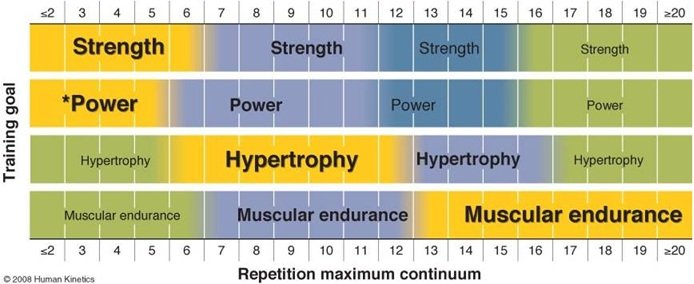
For maximum hypertrophy:
- 6–8 reps → Strength emphasis
- 8–12 reps → Primary growth zone
- 12–15 reps → Metabolic stress support
Weekly volume target:
- 10–18 sets per muscle group
👉 Internal link: Muscle Growth Science Explained
4-Week Progression Model
Week 1
Start at manageable intensity (~2 reps in reserve).
Week 2
Add:
- +5 lbs to compound lifts
OR - +1 rep per set
Week 3
Push close to technical failure on final sets.
Week 4 (Deload Week)
Reduce:
- Volume by 40–50%
- Keep movement patterns
- Avoid failure
Planned deloads prevent CNS fatigue and injury risk.
Why Deloads Matter
Most lifters skip deloads and stall progress.
A smart muscle gain workout plan includes recovery phases to:
- Restore joint health
- Maintain performance
- Prevent burnout
Research summarized by Healthline (DoFollow) supports structured recovery for long-term gains.
Nutrition for Maximum Muscle Gain
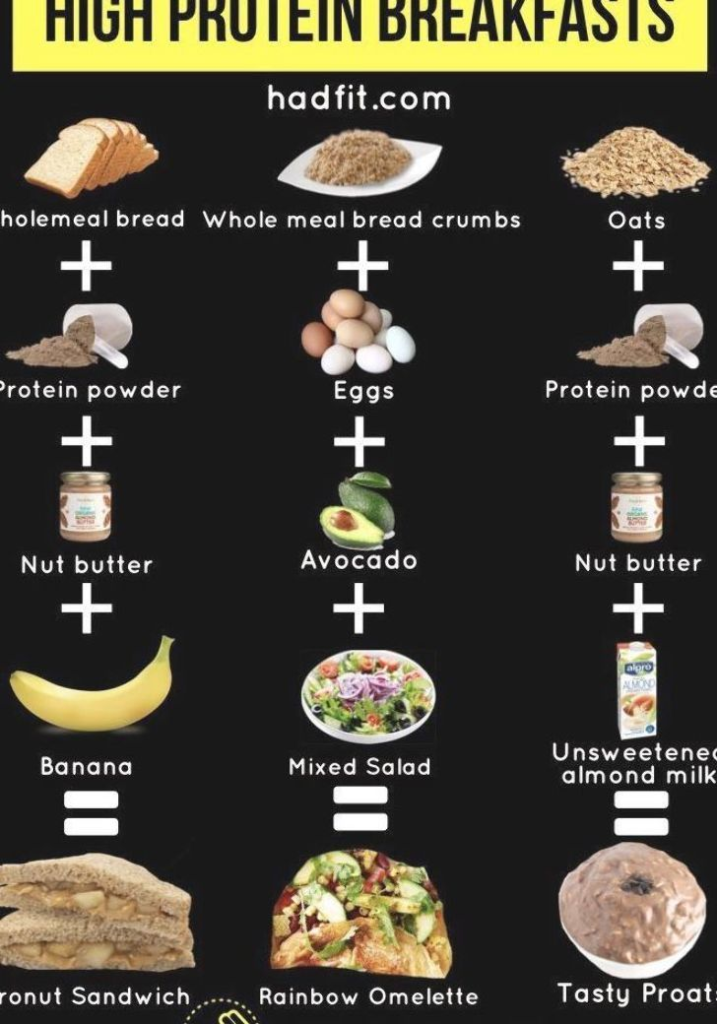
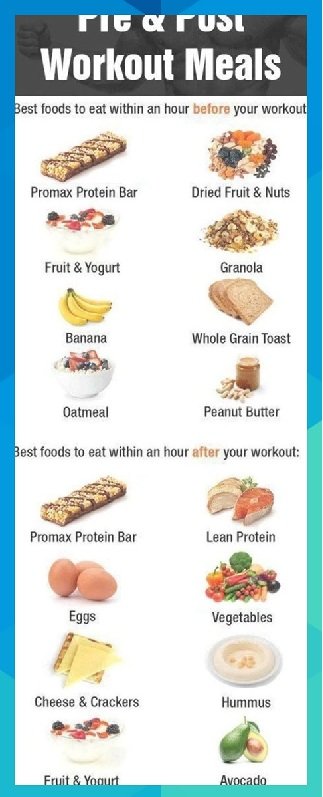
Protein:
- 1.6–2.2g per kg bodyweight
Calories:
- 250–500 kcal surplus
Hydration:
- 3–4L daily
👉 Internal link: How to Gain Muscle Fast Naturally
👉 Internal link: Muscle Building Tips Beginners
Common Mistakes in a Muscle Gain Workout Plan
- Skipping deload week
- Not tracking progression
- Training to failure daily
- Ignoring sleep
- Program hopping
Consistency > novelty.
FAQs: Muscle Gain Workout Plan
1️⃣ How long should I follow a muscle gain workout plan?
A structured muscle gain workout plan should be followed for at least 4–8 weeks before making major changes. This allows enough time to measure strength progression and visible hypertrophy.
2️⃣ Is a 4-week muscle gain workout plan enough to see results?
Yes. Most beginners will notice strength improvements within 2–3 weeks and visible muscle growth within 4–6 weeks, provided nutrition and recovery are adequate.
3️⃣ How many sets per muscle group are ideal for muscle gain?
Research suggests 10–20 sets per muscle group per week is optimal for hypertrophy. Your muscle gain workout plan should stay within this volume range to avoid overtraining.
4️⃣ Should I train to failure in a muscle gain workout plan?
Training to failure occasionally is fine, but not every set. Staying 1–2 reps short of failure on most sets supports consistent progression and recovery.
5️⃣ When should I take a deload week?
A deload is recommended every 4–6 weeks. In a 4-week muscle gain workout plan, Week 4 can reduce volume by 40–50% to allow full recovery.
6️⃣ Can beginners follow this muscle gain workout plan?
Yes. Beginners may reduce total volume slightly but can follow the same structure. Focus on proper technique before increasing weight.
7️⃣ How important is nutrition for a muscle gain workout plan?
Extremely important. Without a calorie surplus and adequate protein intake (1.6–2.2g per kg bodyweight), muscle growth will be limited regardless of training quality.
8️⃣ Can I add cardio while following a muscle gain workout plan?
Yes, but keep it moderate (2–3 sessions weekly) to avoid interfering with recovery and calorie surplus.
9️⃣ What happens if I skip the deload week?
Skipping deloads can lead to fatigue buildup, stalled strength, and increased injury risk. Deloads help maintain long-term progress.
🔟 How do I know if my muscle gain workout plan is working?
Signs include:
- Gradual strength increases
- Improved muscle fullness
- Better recovery between sessions
- Stable energy levels
Final Verdict: Build Muscle Smarter
This muscle gain workout plan balances intensity, volume, and recovery.
If you:
- Progress weekly
- Eat in surplus
- Respect deloads
- Sleep well
Muscle growth becomes predictable.
Stick to the 4-week structure, track everything, and repeat cycles progressively.
Medical Disclaimer
This content is for educational purposes only and does not constitute medical advice. Always consult a qualified healthcare professional before beginning any new training program.